The Safe Place They Return To
The Safe Place They Return To is a gentle reflection on creating a home where children feel safe, loved, and accepted, reminding us that the greatest gift we can offer is a place they can always return to with confidence and trust.
PARENTING
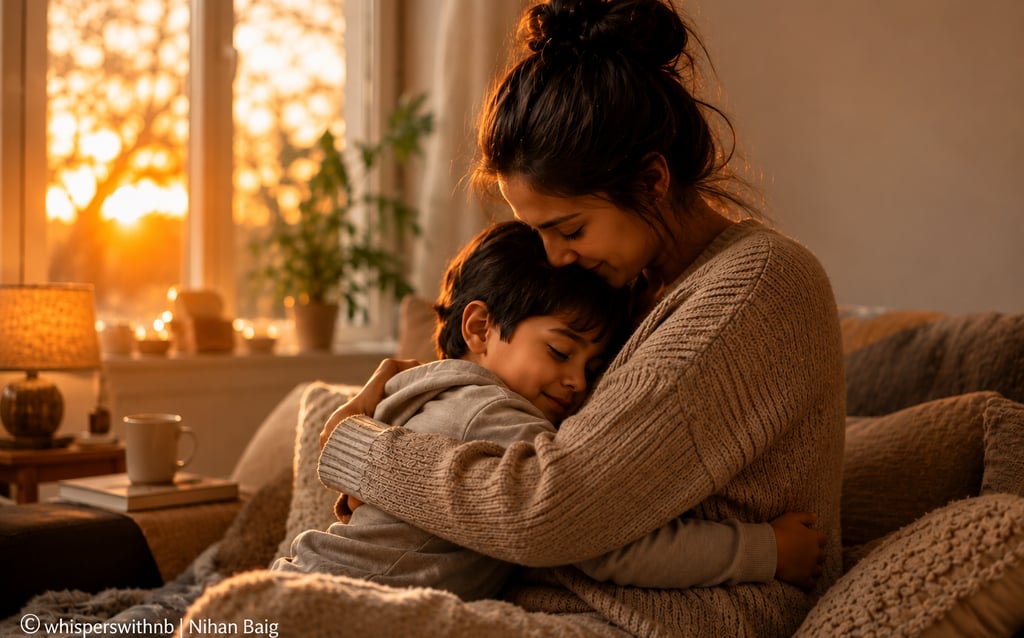
Every child needs a place where they can simply be themselves. A place where mistakes are met with understanding, emotions are welcomed without judgement, and love is never dependent on achievements or perfect behaviour. For most children, that place is not defined by four walls. It is created by the people who make them feel safe, seen, and deeply loved.
As parents and caregivers, it is natural to focus on teaching children important life skills. We encourage good manners, responsibility, resilience, and independence because we want them to thrive in the world. Yet before children can confidently explore what lies beyond home, they first need the security of knowing there is always somewhere they can return, a place where they are accepted exactly as they are.
Children face challenges every day that adults may never fully see. They navigate friendships, disappointments, new experiences, worries, and the ongoing task of understanding themselves. Some days they return home excited to share every detail. Other days they arrive silently, carrying feelings they cannot yet put into words. What they need in those moments is not always advice or solutions. Often, they simply need to know that someone is ready to listen.
Feeling emotionally safe does not mean children are protected from every disappointment. Rather, it means they know they do not have to face those disappointments alone. When children trust that they can talk openly without fear of ridicule, harsh criticism, or rejection, they gradually learn that their emotions are manageable and that seeking support is a strength, not a weakness.
Creating this kind of environment is found in ordinary moments more than extraordinary ones. It is sitting together after a difficult day without rushing the conversation. It is offering a hug before asking questions. It is making eye contact when they speak, putting away distractions, and responding with curiosity instead of immediate judgement. These small moments may seem insignificant, yet together they become the foundation of lasting trust.
There will be days when parents feel they have fallen short. Patience may wear thin, words may come out more sharply than intended, or life may simply feel overwhelming. Children do not need parents who never make mistakes. They need parents who are willing to repair them. A sincere apology, a gentle conversation, or a quiet moment of reconnection teaches children that love is strong enough to mend what has been strained.
As children grow, they naturally become more independent. They will spend time with teachers, friends, classmates, colleagues, and eventually create lives of their own. While we cannot walk every path with them, we can give them something that stays with them wherever they go… the confidence that there will always be someone who believes in them, welcomes them, and loves them without conditions.
Perhaps that is one of the greatest gifts a parent can offer. Not a perfect childhood, but a secure place to return to when life feels uncertain. A home where laughter is shared, tears are welcomed, mistakes become opportunities to learn, and every child knows they belong.
Long after children outgrow bedtime stories, packed lunches, or helping hands, they will remember how home made them feel. If home was a place of warmth, acceptance, and steady love, they will carry that sense of safety into the relationships they build, the challenges they face, and the people they become.
In the end, children may not remember every lesson we taught them, but they will remember the people who made them feel safe enough to keep coming home… not only to a place, but to a love they could always trust.