The Power of Being the Safe Place They Come Back To
Children will experience disappointment, mistakes, and challenges. What matters most is knowing there is always someone waiting with understanding rather than judgement.
PARENTING
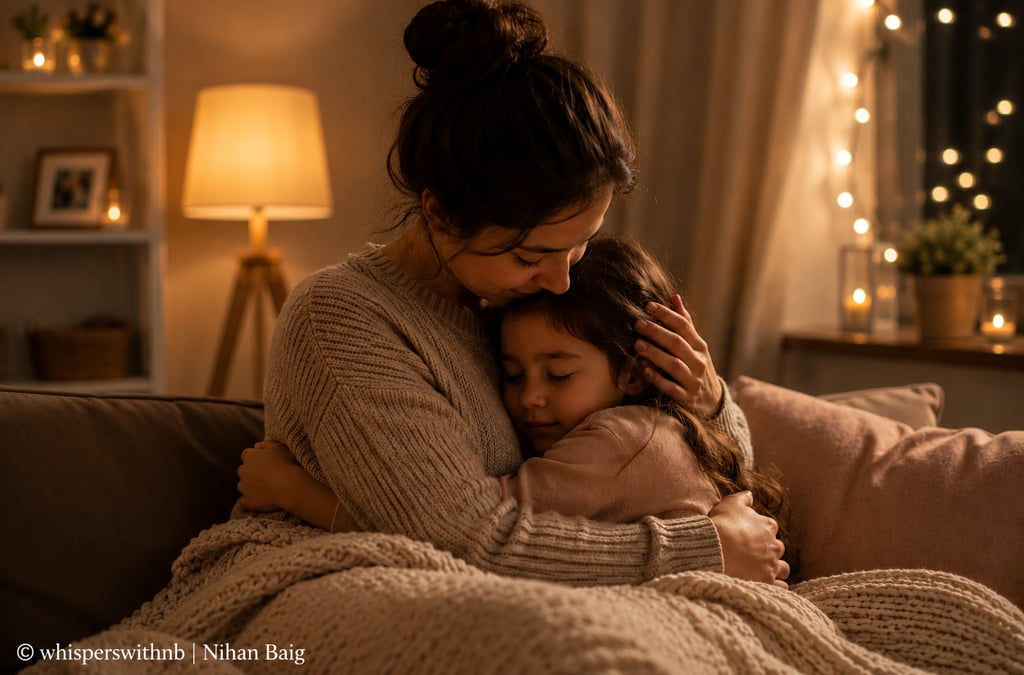

Every child will face moments that leave them feeling disappointed, confused, or unsure of themselves. They will make mistakes, experience rejection, lose friendships, struggle with school, or simply have days when nothing seems to go right. As parents and caregivers, we cannot remove every obstacle from their path. Nor should we. Challenges are part of growing. What children need most is the quiet confidence that, whatever happens, there is always someone they can come back to.
Home is far more than the place where children eat, sleep, and keep their belongings. It is the emotional foundation from which they begin to understand themselves and the world around them. When children know they will be met with love, patience, and understanding, they develop the courage to explore, take healthy risks, and try again after setbacks. Security does not make children dependent; it gives them the confidence to become independent.
When children make mistakes, our first instinct is often to correct them. Teaching right from wrong is an important part of parenting, but there is a powerful difference between correcting a child's behaviour and making them feel that they are the problem. Children learn best when they know that their actions can be addressed without their worth ever being questioned. Loving guidance helps them grow, while shame often causes them to hide.
There will be times when children come home carrying emotions they cannot explain. They may be unusually quiet after school, frustrated over something that seems small to an adult, or upset by words that deeply affected them. In those moments, they do not always need immediate advice or solutions. Sometimes they simply need someone who will sit beside them, listen without interruption, and remind them that they do not have to carry difficult feelings alone.
Being a safe place is often built through the smallest moments. It is pausing to make eye contact when your child wants to tell you a story. It is putting away your phone for a few minutes to truly listen. It is welcoming honest conversations, even when the answers are uncomfortable. These ordinary acts of presence quietly tell a child, "You matter. Your feelings matter. I am here."
Of course, no parent gets it right every time. There will be stressful days, misunderstandings, and moments we wish we could do differently. The good news is that children do not need perfection. They need authenticity. When we apologise after speaking too harshly, admit our own mistakes, and make an effort to reconnect, we teach children that relationships can be repaired with honesty, humility, and love.
As children grow older, they will spend more time making decisions without us standing beside them. They will encounter new friendships, greater responsibilities, and unexpected challenges. What often guides those decisions is not the fear of getting into trouble, but the confidence that they can return to someone who will help them navigate whatever happens. Knowing they have a safe place gives them the courage to ask for help when they need it most.
The relationship we build today becomes the one they carry into tomorrow. Children who feel accepted are more likely to extend acceptance to others. Children who experience compassion often grow into compassionate adults. The love, patience, and understanding they receive at home quietly become the foundation for the relationships they build throughout life.
Perhaps one of the greatest gifts we can give a child is not a life without hardship, but the reassurance that they will never have to face hardship alone. To know there is always a place where they can return, take a deep breath, and begin again without fear of judgement.
Long after childhood has passed, they may not remember every conversation or every piece of advice. But they will remember how it felt to come home. If home was a place of understanding, acceptance, and unwavering love, they will carry that sense of safety with them wherever life leads. And that may be one of the most lasting lessons of all.