Play Is Never Just Playing
Play Is Never Just Playing is a heartfelt reflection on how play nurtures curiosity, confidence, creativity, and lifelong learning, reminding us that every playful moment is an opportunity for a child to grow.
EARLY CHILDHOOD
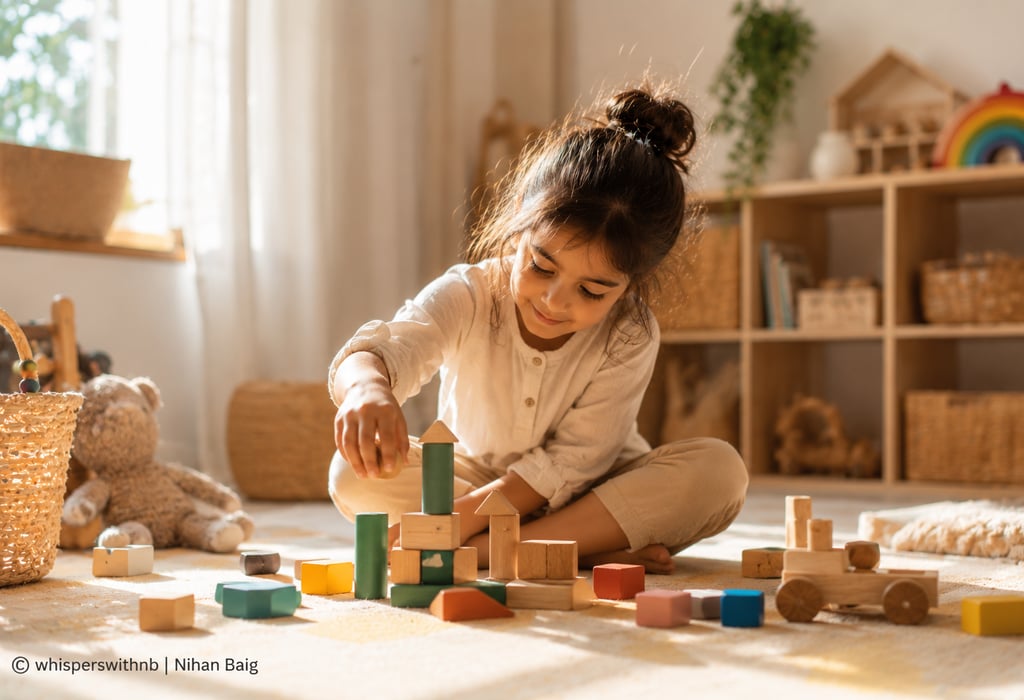
To a child, play often looks simple. Building a tower from blocks, pretending to run a café, digging in the sand, chasing bubbles, or carefully lining up toy animals can seem like ordinary fun. To the adults watching, it may even appear as though "nothing much" is happening. Yet beneath the laughter, imagination, and endless curiosity, something extraordinary is taking place. Play is one of the most important ways children learn about themselves, other people, and the world around them.
Children are born with a natural desire to explore. Long before they can read or write, they are discovering how things work through touching, experimenting, questioning, and imagining. Play gives them the freedom to investigate without the pressure of getting everything right. There are no perfect answers, only opportunities to try, adjust, and try again. In doing so, children develop confidence that cannot be taught through instructions alone.
A cardboard box becomes a spaceship. A handful of leaves becomes a delicious meal in an imaginary kitchen. A blanket over two chairs transforms into a secret hideaway. What adults may see as ordinary objects, children see as endless possibilities. Imaginative play nurtures creativity, flexible thinking, and problem-solving skills that continue to serve them long after childhood.
Play also teaches children something far deeper than academic skills. It helps them understand emotions. During pretend play, they practise comforting a crying teddy bear, negotiating whose turn comes next, solving disagreements with friends, and making sense of experiences they may not yet have the words to explain. Through play, children rehearse real life in a safe and meaningful way.
Some of the most valuable lessons happen when play does not go as planned. A tower falls. A puzzle piece will not fit. Someone else wants the same toy. These small challenges become opportunities to develop patience, resilience, communication, and perseverance. Each obstacle encourages children to think differently, adapt, and keep going, qualities that matter far beyond the playroom.
In a world that often celebrates busyness and early achievement, it can be tempting to fill every moment with structured activities and lessons. Yet children do not need every minute to be organised for them. They also need time to wonder, create, imagine, and simply follow their curiosity. Some of the richest learning happens when adults step back just enough to let children take the lead.
This does not mean adults become unimportant during play. In fact, a caring adult can make play even more meaningful, not by directing every activity, but by being present. Sitting on the floor, asking thoughtful questions, celebrating effort, and showing genuine interest tells a child that their ideas matter. Those moments build connection as much as they build learning.
Perhaps one of the greatest gifts we can give children is permission to play without always asking what they achieved at the end. Sometimes there is no finished product to display, no worksheet to take home, and no measurable outcome to celebrate. Yet inside the child, countless invisible milestones have been reached. Confidence has grown. Curiosity has deepened. Friendships have formed. New ideas have taken shape.
Play has never been a break from learning. It is learning in one of its purest forms. It is where imagination meets discovery, where mistakes become opportunities, and where children quietly build the skills they will carry into the future.
The next time you watch a child completely absorbed in play, pause for a moment. What may look like "just playing" is often a child building confidence, solving problems, exploring emotions, strengthening relationships, and discovering the joy of learning. And that is never just play… it is the beautiful work of childhood.